
The Privatization of San Francisco
I know what it looks like when corporate interests take something that belongs to everyone to privatize it for profit or special interests..
When I see private equity quietly buying up San Francisco, I’m going to call it out. It’s already happening in our neighborhoods.
Last year, Keurig Dr Pepper raised $7 billion in capital from private equity firms to finance its $18 billion purchase of Peet’s. The result? Stores closed across San Francisco – including the Castro Peet’s on Upper Market, where workers got one month’s notice before losing their jobs. Peet’s in Castro was a community gathering space; now thanks to private equity, workers are out of a job and the neighborhood has another vacant storefront.
Homegrown Philz Coffee was acquired by private equity firm Freeman Spigoli & Co. Employees who owned stock in the company – people who had invested their time and loyalty – lost all their value in those holdings. And just yesterday, it was announced that the new corporate management of Philz has implemented a policy barring the display of pride flags from their stores.
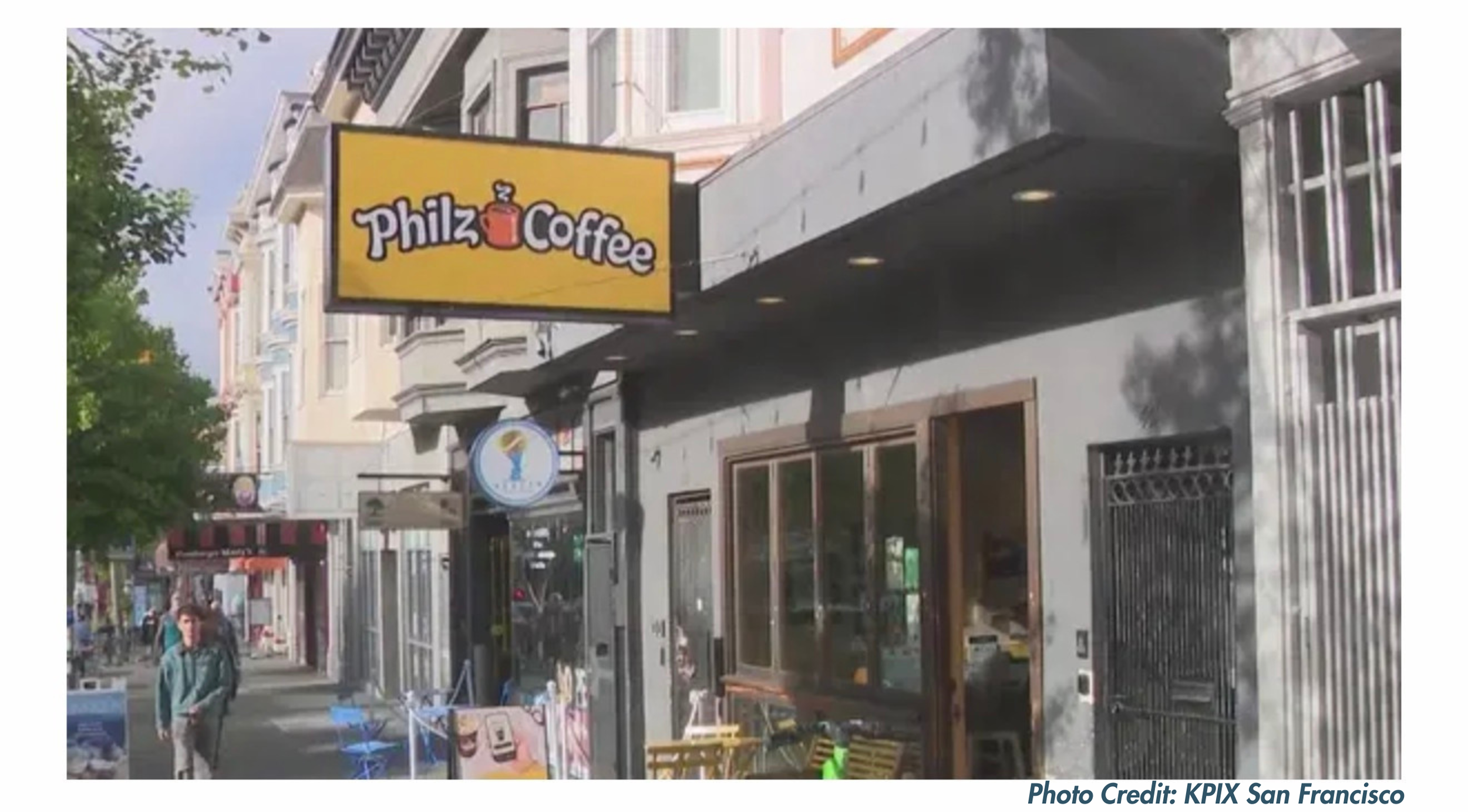
That’s not just a corporate policy, it’s a message to the LGBTQ community and our allies. And I refuse to ignore it because this won’t stop with just coffee shops.
A recent San Francisco Examiner piece on public art in our city raised something that’s been on my mind. A tech founder’s family foundation wants to fund 100 large-scale sculptures across San Francisco. While it may seem generous, the article aptly demonstrates how our wealth disparity has long divided San Francisco’s art world and made it nearly impossible for most artists to make a living.
And then there’s Sunday Streets, our beloved longstanding neighborhood street fair and car-free event space, gutted by cuts that impacted the Department of Public Health. The end of Sunday Streets leaves one non-profit to coordinate street fairs and night markets with no transparency, no oversight, and no accountability to the public. The City has a process in place precisely to prevent conflicts of interest, protect vendors, ensure workforce diversity, and keep San Francisco’s community events run by the community. But by bypassing this process, it’s breaking a promise to every small business and vendor, local entertainer, and neighborhood organization that previously had a level playing field.
As someone who relied on City services to find my way off the streets to work in public service, I know what it means when systems fail the very people they’re supposed to serve. And I know what it takes to fight back. I’m proud to have not taken any money from private equity in my campaign for District 8 Supervisor - but unfortunately, not every candidate in this race can say that. We are the company we keep, and I’m honored to have contributions and strong support from homeowners, renters, people in recovery from addiction, our aging adults and seniors, long-term survivors of HIV/AIDS, small business owners, and workers and labor.
